When Climate Change Becomes a Health Issue
Climate change is not only an environmental challenge. It can also affect people’s health, livelihoods, housing, food security, water access, and continuity of essential services.
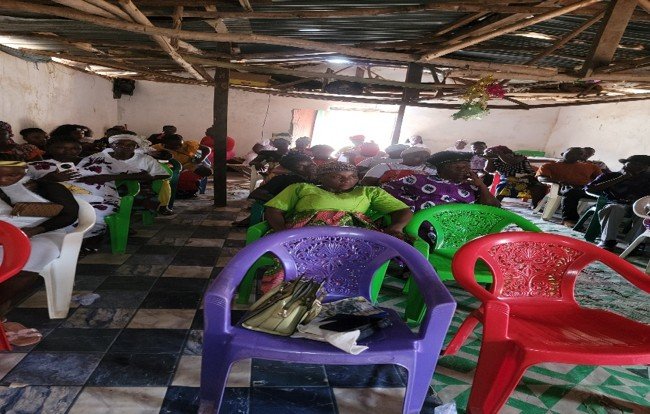
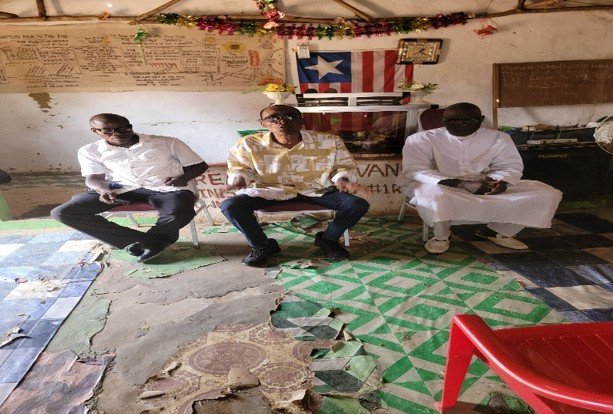
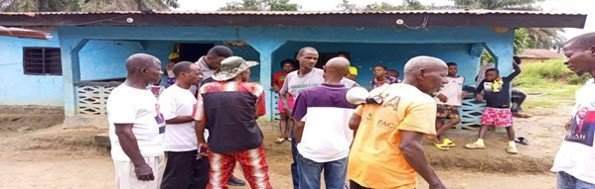
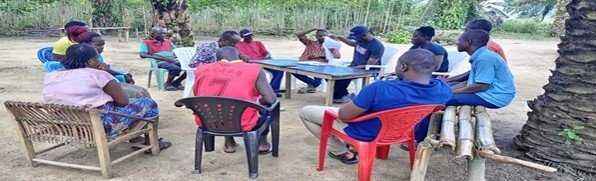
Recognizing these connections, CHAP engaged local churches and communities during November and December 2025 in Banjo areas affected by coastal erosion.
Activities were conducted in Brewerville, Montserrado County, as well as selected communities in Grand Bassa and Bong Counties.
Connecting Faith and Climate Action
As a faith-based organization, CHAP recognizes the important role churches and faith leaders can play in helping communities understand and respond to emerging challenges.
The initiative introduced the Faith-Based Climate-Health Readiness and Adaptation Assessment Tool, developed by the Christian Connection for International Health (CCIH).
The assessment approach considers areas including:
- Governance and leadership
- Vulnerability assessment
- Infrastructure resilience
- Emergency preparedness and response
- Health-system continuity
- Community engagement
- Education and communication
- Policy advocacy
Why Community Participation Matters
Climate risks are experienced differently from one community to another. This makes local knowledge and community participation essential.
CHAP’s approach seeks to create space for churches, community leaders, local organizations, and community members to participate in identifying risks and discussing practical responses.
Building Resilience Together
The climate-health initiative reflects CHAP’s broader commitment to strengthening communities through health, environmental awareness, partnership, and locally relevant solutions.
The goal is not simply to discuss climate change, but to help communities understand how climate risks can affect everyday life and health—and what can be done to prepare.
Call to Action:
Join CHAP in building faith-based climate-health resilience in Liberia.