Bridging Science, Faith and Community Experience
In February 2026, CHAP presented its experience with the Faith-Based Climate-Health Readiness and Adaptation Assessment Tool, highlighting lessons from the pre-testing process.
The initiative demonstrated how technical climate-health concepts can be brought into conversations with faith leaders and community members in ways that are relevant to their everyday experiences.
Community Engagement
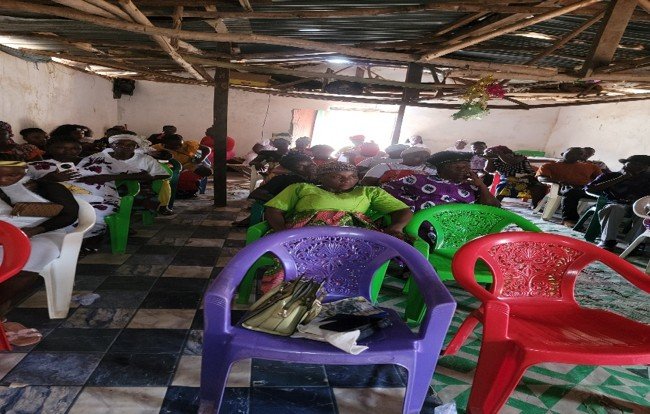
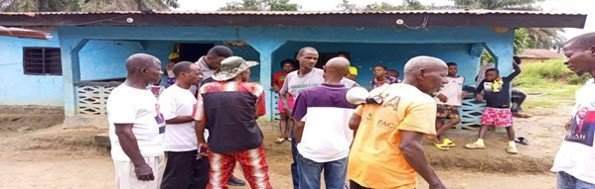
One of the key lessons from the pre-testing process was the importance of community engagement.
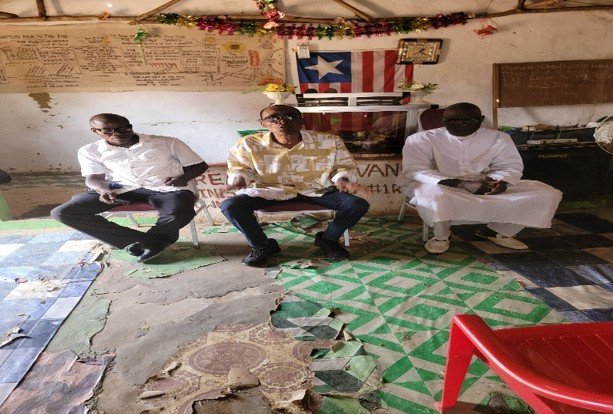
Faith leaders and community members expressed interest in participating and brought moral and spiritual perspectives into discussions about climate change.
The experience also highlighted the importance of trust and cultural sensitivity when working with communities.
Making Technical Information Understandable
Climate discussions can sometimes involve technical terminology that is difficult for community members to understand.
During testing, CHAP identified areas where the tool needed simplification. Some technical climate terms required translation into language and concepts that were more familiar within faith communities.
Learning From Local Context
The process reinforced another important principle: local context matters.
The tool worked best when adapted to the realities of the communities where it was being used.
CHAP also identified the need for capacity building among faith-based leaders and community leadership structures so that they can better understand climate concepts and connect adaptation strategies with stewardship and care for creation.
From Assessment to Action
The pre-testing process encouraged dialogue between climate experts, community leaders, and faith groups.
For CHAP, the experience was about more than simply completing an assessment. It was about creating a bridge between science, spirituality, community knowledge, and practical climate action.
As CHAP’s presentation reflected, faith-based framing can make climate adaptation more relatable and meaningful to communities.
Call to Action:
Learn more about CHAP’s climate-health work and partnership opportunities.